At Soulful Equine, we believe in non-toxic approaches to most anything we do when it comes to our horses, pets and our health. As I stated in my article “Parasite Resistance In Horses And Chemical Deworming”, we must pay attention to anything that could compromise our horse’s immune system.
Heavy usage of toxic chemicals for fly control is not only unnecessary but is harmful to your horse’s health and to yours. It also contributes to the environmental issues of using chemicals.
I believe that whenever it is within our control to use or not use chemicals, we should not use them. Keep in mind that we encounter large numbers of toxins in our environment just by breathing and being alive. However, anytime we have the opportunity to minimize the effect it has on us and our horses we should take that responsibility seriously.
I put together a short video on fly control for horses using a non-toxic program. Please listen to the entire video even if you already have a program in place. You never know, you may pick up a few extra tips.
If you have any other non-toxic fly control tips or products you have used, please share that information in our comments section.
Fly control for horses using a non-toxic program
Minor correction to note from the video that has to do with the fly predators / parasite cycle:
- Fly Predators / parasites are beneficial insects. They are pupal parasitoids, meaning they attack the pest fly’s pupa stage. The pupa stage is the cocoon that houses the pest fly during its metamorphosis from larva to full-sized adult. Please see the resources section for references to more details about the fly predator / parasite cycle
Keep it soulful,
Stephanie Krahl
Resources For More Information
Fly Predator / Parasite Information
- Green Methods – This is the company I have used for many years. I have been very happy with the results and the customer service I have received is superb. Their mix of fly parasites is trademarked “FlyRaptors“. This is a really fantastic name and has a meaning behind it. A raptor is a very efficient bird of prey and the symbol for freedom. The most well known is the eagle. If you put “fly” and “raptor” together you have freedom from flies.
- Organic Cowboy Biological Fly Control Program – If you purchase from them, please let them know we referred you. 🙂
- Spalding Laboratories Main Website
- Spalding Laboratories Quick Fly Control Instructions
- ARBICO’s Organics Fly Parasites Biological Fly Control Program
Fly Traps (Both Sticky and Attractants)
- ARBICO’s Organics Insect-A-Peel Trap – This is a fantastic product! You purchase the stand with the peel once and then replace the peel roll when needed.
- Monster Flytraps – This is the best fly trap I have found yet and I have tried a lot of different kinds. Keep in mind that you should place the traps “away” from where you want the flies. Most people place them where they see the most flies, which is not correct. You want to do the opposite. You want to “attract” the flies away from places you do not want them.
Fly Sprays
Note: This section may be updated if I test out other fly sprays and find that I like them.
If at all possible use fly sprays that are approved for use on certified organic farms. I look for fly sprays that are non-toxic, effective, and do not leave a greasy residue. I have tested many different “natural” fly sprays and still go back to the ones listed below.
I will continue to test others I come across and keep you updated. Some people make their own fly spray and you can do that as well if you find something that works for you. A few I have used and like that do not leave a greasy residue are as follows:
- Premier Marigold Spray – by Eqyss Grooming Products
- Xtream Shield Fly Spray by Xtreme Design Labs
- Equisect Fly Repellent
####
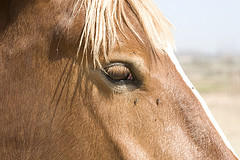
Photo Credit – original photo modified in size